ICIHCS 2025
The 4th International Conference on Interdisciplinary Humanities and Communication Studies (ICIHCS 2025) was a hybrid conference, established an online session and welcomed participants from all countries and regions to join whenever and wherever possible. Meanwhile, to facilitate broader academic exchange and knowledge sharing, ICIHCS 2025 hosted multiple on-site symposium series, such as Sam Huston University (Huntsville, USA), Yunnan University (Kunming, China), Northumbria University (Newcastle-Upon-Tyne, UK), Saint Mary’s College (Notre Dame, USA), and Quaid-e-Awam University of Engineering, Science and Technology (Nawabshah, Pakistan).
Symposium
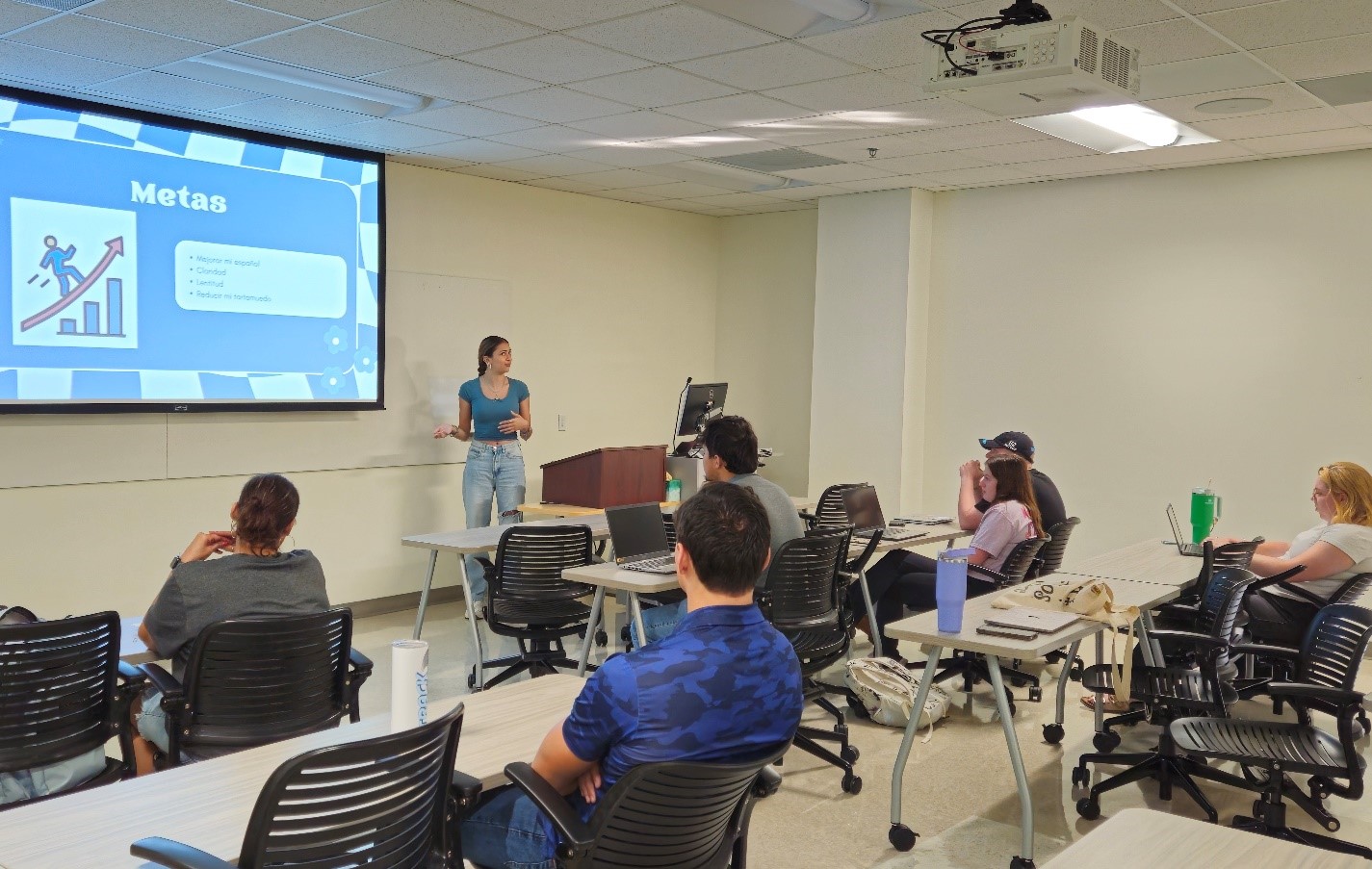
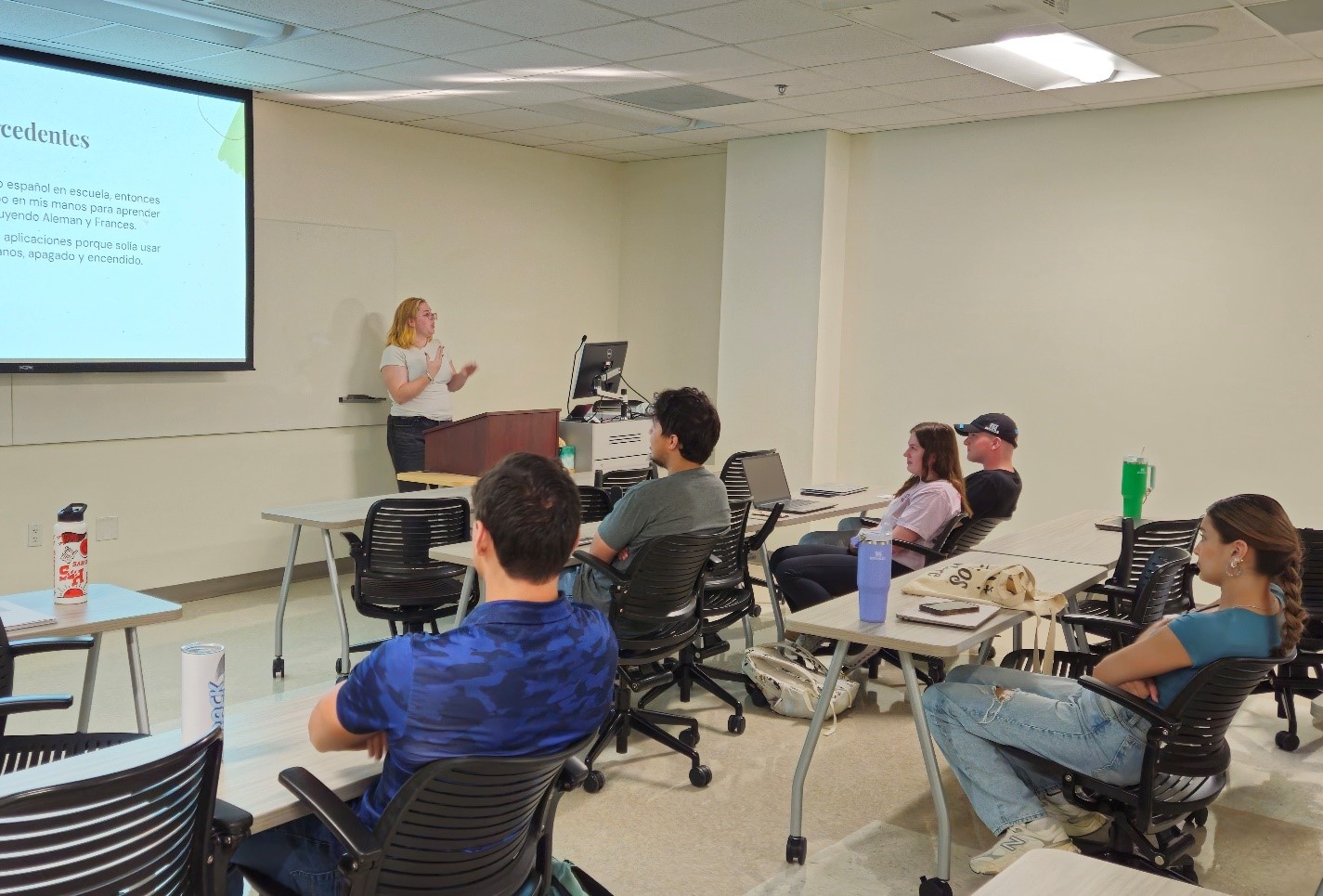
Sam Houston State University, USA
Symposium Chair: Dr. Enrique Mallen, Professor in Sam Houston
State University
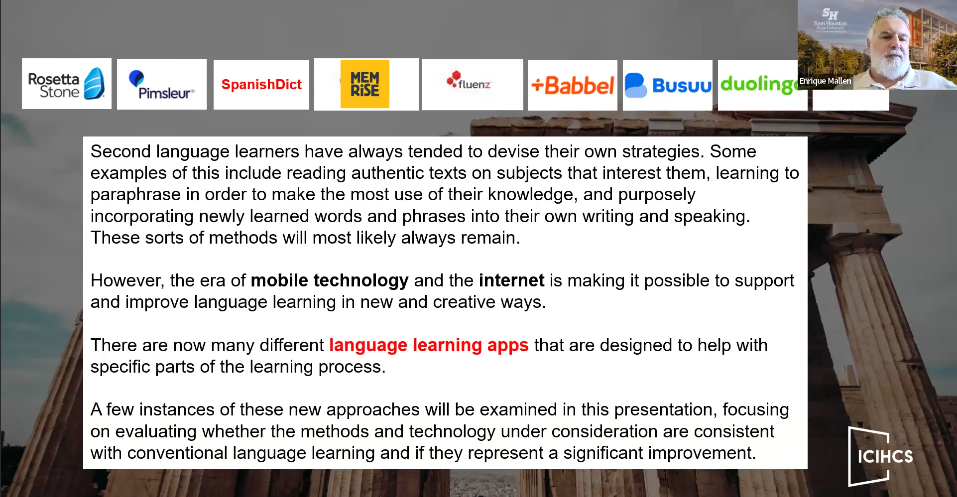
The symposium examined some of the recent novel approaches to language learning. Throughout,
there was a focus on evaluating whether the new methods and technology under consideration
are consistent with traditional language learning or if they represent a significant shift.
Among the language applications that we discussed was Rosetta Stone, which teaches users
vocabulary and grammar through dynamic Immersion. Its TruAccent voice recognition helps
users improve users' pronunciation, and accompanying imagery helps them form stronger
memories. Memrise is another study tool we examined. It uses spaced repetition to help users
learn new material and review it over time. Learners follow virtual “Courses” that lead them
through different “Levels” within a set of study material. The platform offers both official
courses as well as user-created courses, meaning you can find dozens of languages and
subjects to study. A third language application, Babbel, offers learners an incredible
amount of study material, all of which is uniquely designed by their in-house team of
linguists, professors and language learners. It uses translation as its main method of
instruction. Finally, Duolingo is a reliable language learning application. It accelerates
learning through new vocabulary and grammar in bite-sized lessons that feel like games. The
lesson and practice structure are largely the same throughout the course, which may feel
repetitive to some users. It is very useful for building vocabulary and practicing various
grammatical concepts, however it would be very difficult to become completely fluent (or
even conversationally fluent) using it by itself.
School of Journalism, Yunnan University, China
Symposium Chair: Dr. Cai Yong, Professor in Yunnan
University
The Symposium on “Integration & Boundaries: Humanities/Arts, Technology and Communication”
was held on 7 November 2025 at the Donglu Campus of Yunnan University. The event brought
together experts from multiple disciplines to explore cutting-edge developments at the
intersection of humanities, arts, and technology in the digital era.
Discussions focused on two central dimensions: “convergence” driven by emerging technologies
and the enduring importance of “boundaries” rooted in humanistic inquiry. Presentations on
AIGC-enabled virtual idol production, algorithm-driven transformations in marketing
communication, and new forms of human–machine co-creation demonstrated how technology is
reshaping cultural production and media practices.
Complementing these perspectives,
scholars also highlighted the cultural and experiential foundations of the humanities.
Topics included the tactile aesthetics of Song-dynasty ceramics, ethnographic insights into
the contemporary relevance of Deqin Tibetan “Kajia” traditions, and renewed reflections on
core issues in documentary studies.
The symposium further featured thought-provoking discussions on artistic subjectivity and
human experience within technologically mediated environments. Questions such as “Can
Cyborgs Understand Rituals?” invited deeper reflection on how to preserve human emotion,
agency, and authenticity in an era of pervasive digitalization.
The event provided a vibrant interdisciplinary platform that fostered meaningful
exchange and pointed toward promising directions for future research.


Saint Mary’s College, USA
Symposium Chair: Dr. Kurt Buhring, Associate Professor of
Religious Studies and Theology
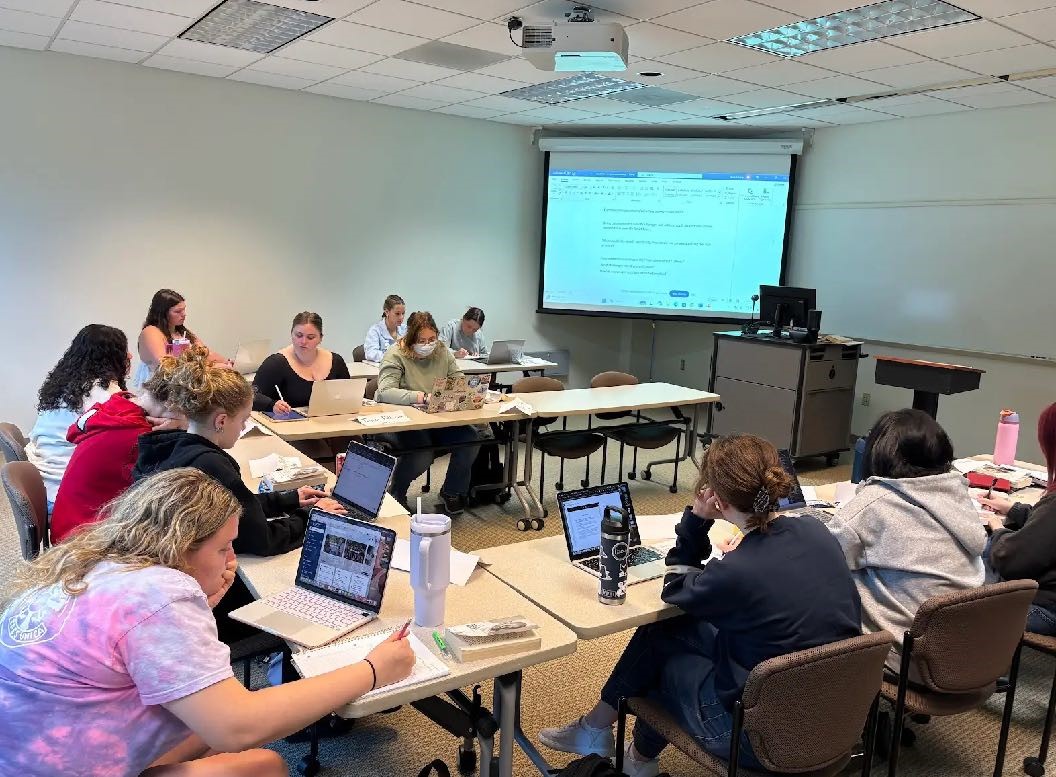
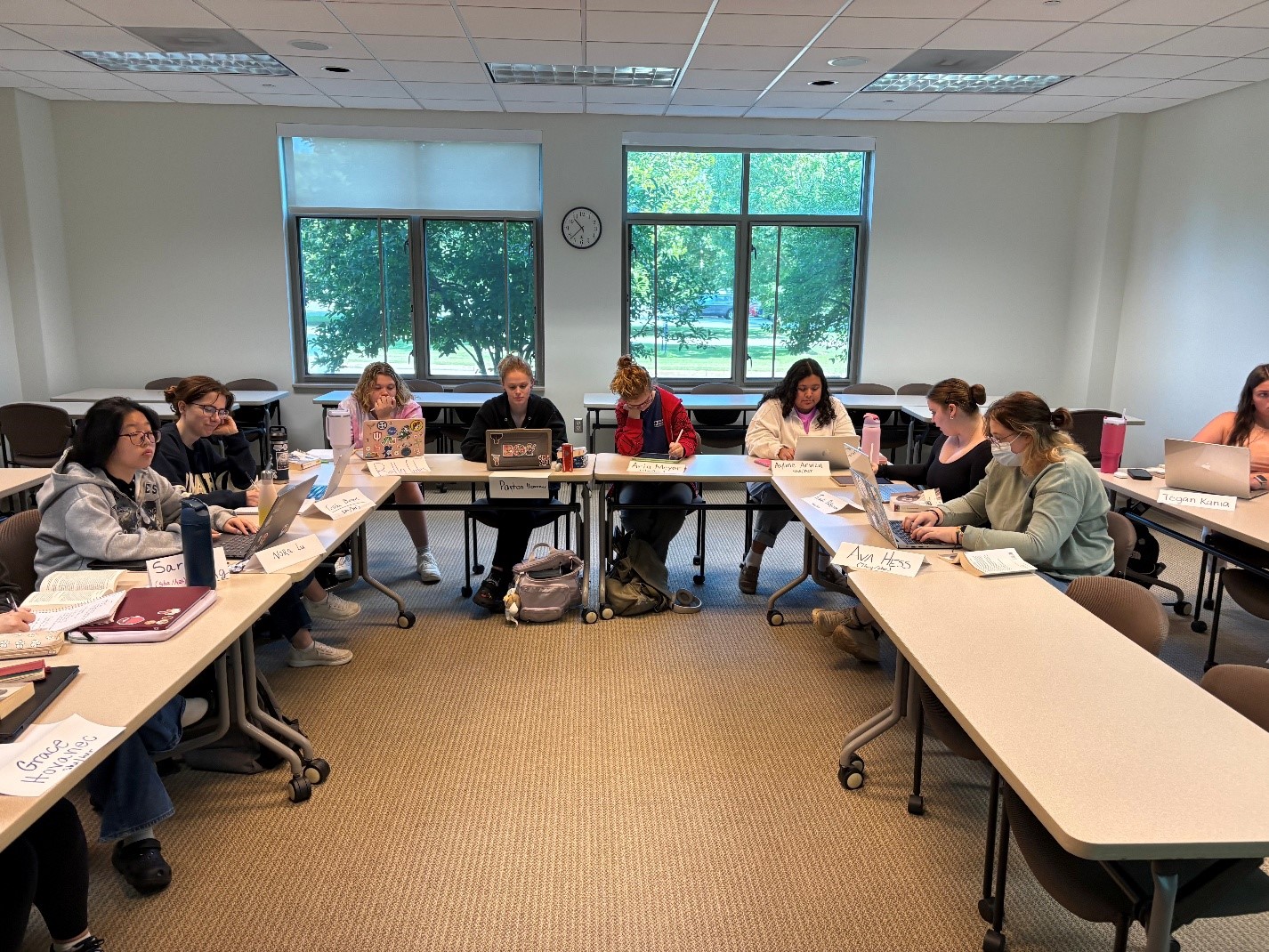
This symposium is a sample class meeting from the course, “Faith in Action.” The course
examines the faith, ethics, social practices, and theories of influential modern activists
and writers who exemplify a variety of approaches to the quest for justice. While most of
these figures are Christian, some, including Mohandas Gandhi, are not.
In preparation
for the symposium, students read and discussed selected excerpts from Gandhi’s The Essential
Writings, edited by Judith Brown. In the 75-minute class meeting we explored Gandhi’s ideas
of how nonviolence should be understood as a way of life. I first introduced some
foundational material and terms on Hinduism in order to provide context for our
consideration. Then we delved into some of Gandhi’s philosophy of nonviolence, or ahimsa,
including concepts like non-possession or voluntary poverty, diet, clothing,
self-purification, and selfless action, or anasakti. Students posed thoughtful questions
about Hinduism and Gandhi.
Gandhi and his ideas influenced virtually all the other
thinkers and activists included in the class so this is an important session to establish
some of these core concepts. We also briefly began to consider what applying Gandhian
principles of nonviolence to our lives today would involve.
Department of English, Quaid-e-Awam University of Engineering, Science and
Technology, Nawabshah, Pakistan
Symposium Chair: Dr. Abdullah Laghari, Lecturer of Quaid-e-Awam
University of Engineering, Science and Technology, Nawabshah
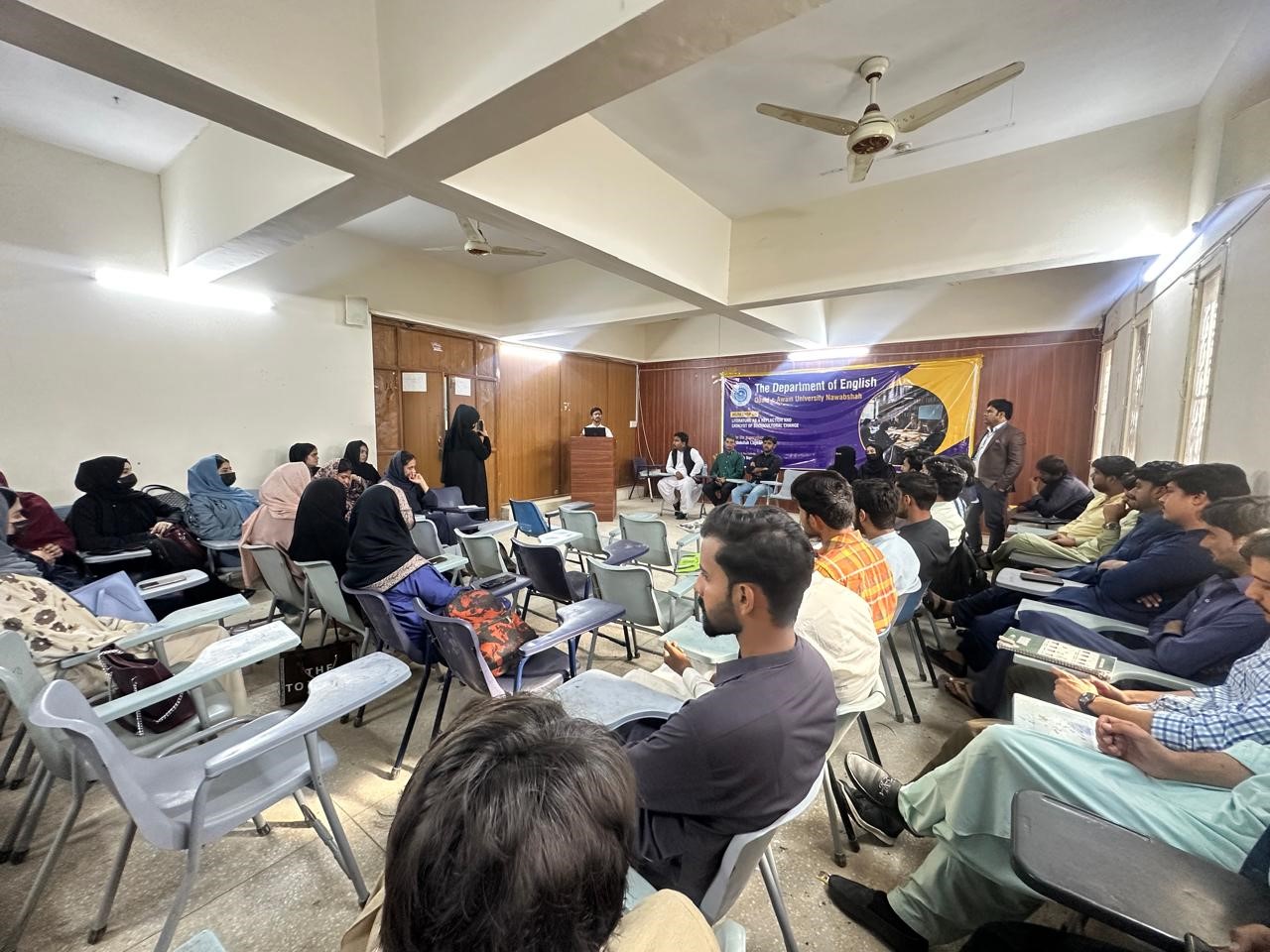
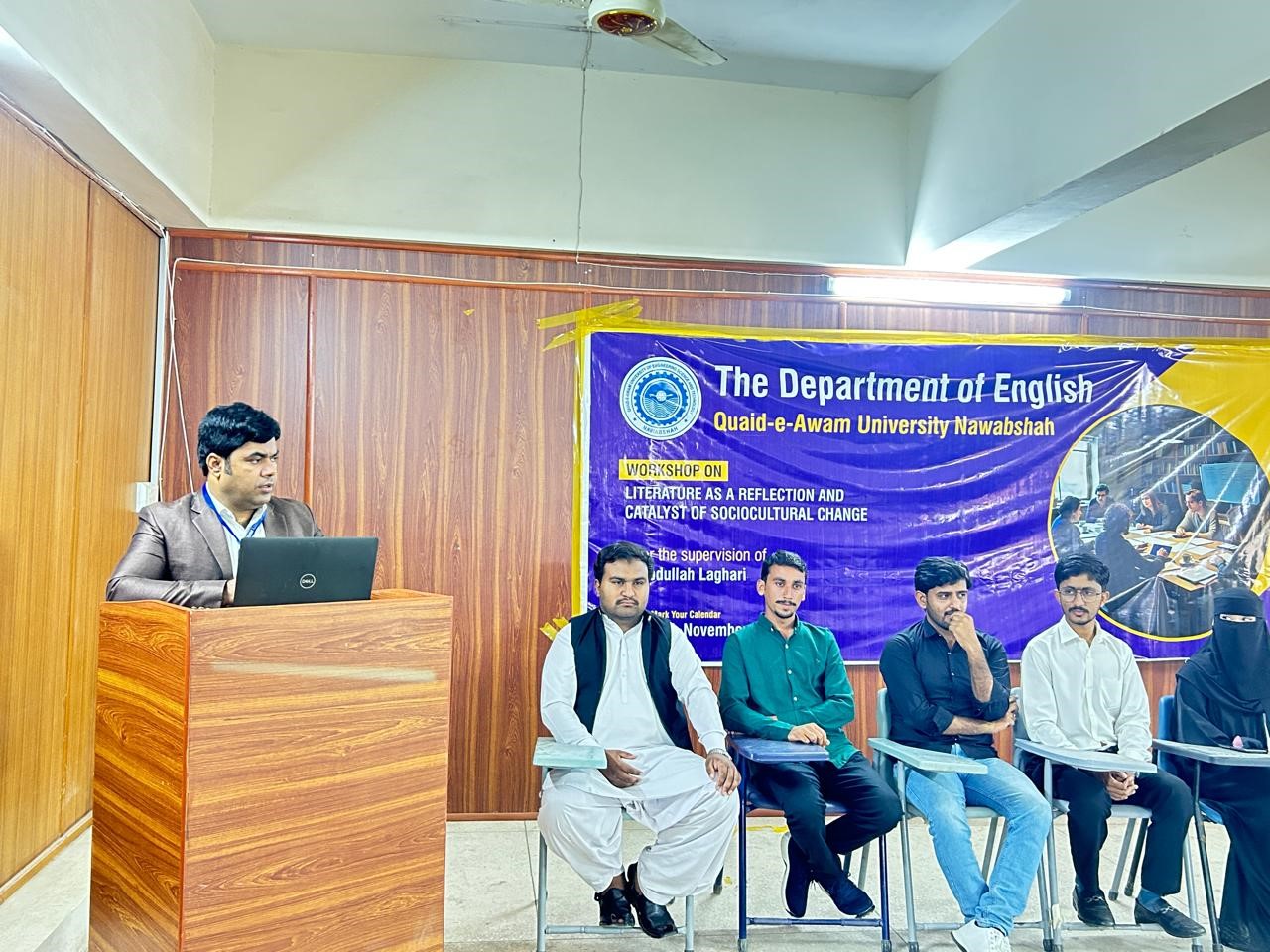
The Department of English at
Quaid-e-Awam University of Engineering, Science, and Technology, Nawabshah, organized an
academic symposium titled "Literature as a Reflection and Catalyst of Socio-cultural
Change." In his keynote address, Dr. Abdullah Laghari emphasized on the seminal role of
literature. He opined that literature functions as a crucible for fostering positivity and
cultivating critical thinking among its readership. Extending this argument, Dr. Laghari
contended that literary engagement serves as a powerful impetus for positive social reform,
advocating for emancipation from various forms of oppression, including injustice,
inequality, and gender discrimination. Symposium participants further contributed valuable
insights, underscoring the necessity of germinating a robust literary culture as a
prerequisite for societal stability and enhanced literacy. To contextualize this discourse,
Dr. Laghari drew upon historical examples, analyzing specific events and movements where
literary works acted as a catalyst for revolutionary consciousness among oppressed section
of the society. The proceedings concluded in a consensus that literature constitutes both a
fundamental sustenance for the human spirit and a contemporary imperative. It was concluded
that guiding the youth towards a profound engagement with literature is essential, as it
provides a critical pathway to prosperity by functioning as a primary agent of
socio-cultural transformation.
Online Session
The online session of the 4th International Conference on Interdisciplinary Humanities and Communication Studies (ICIHCS 2025) was held on November 17, 2025. Dr. Enrique Mallen from Sam Houston State University, Dr. Ioannis Panagiotou from Lincoln College, Dr. Abdullah Laghari from Quaid-e-Awam University of Engineering, Science and Technology, and Dr. Kwasu Tembo from Lancaster University, have given keynote speeches on related topics of Language Learning, Multimedia, etc. Also, we invited authors of qualified papers to deliver oral presentations at the Online Session. The authors have presented their studies of fine arts, media, etc. Questions from the audience were collected and answered by the presenters.
Highlights
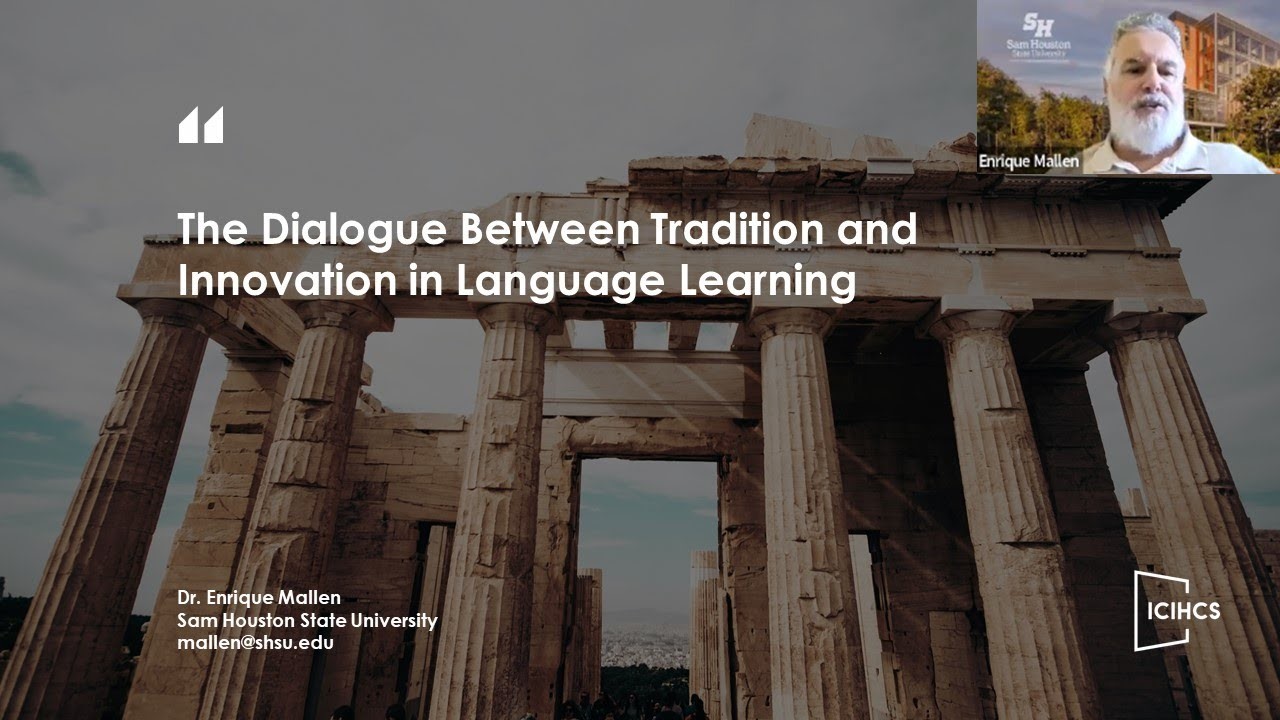
Title: The Dialogue Between Tradition and Innovation in Language
Learning
Presented by: Enrique Mallen, Ph.D. Professor in Department of World
Languages and Cultures, Sam Houston State University
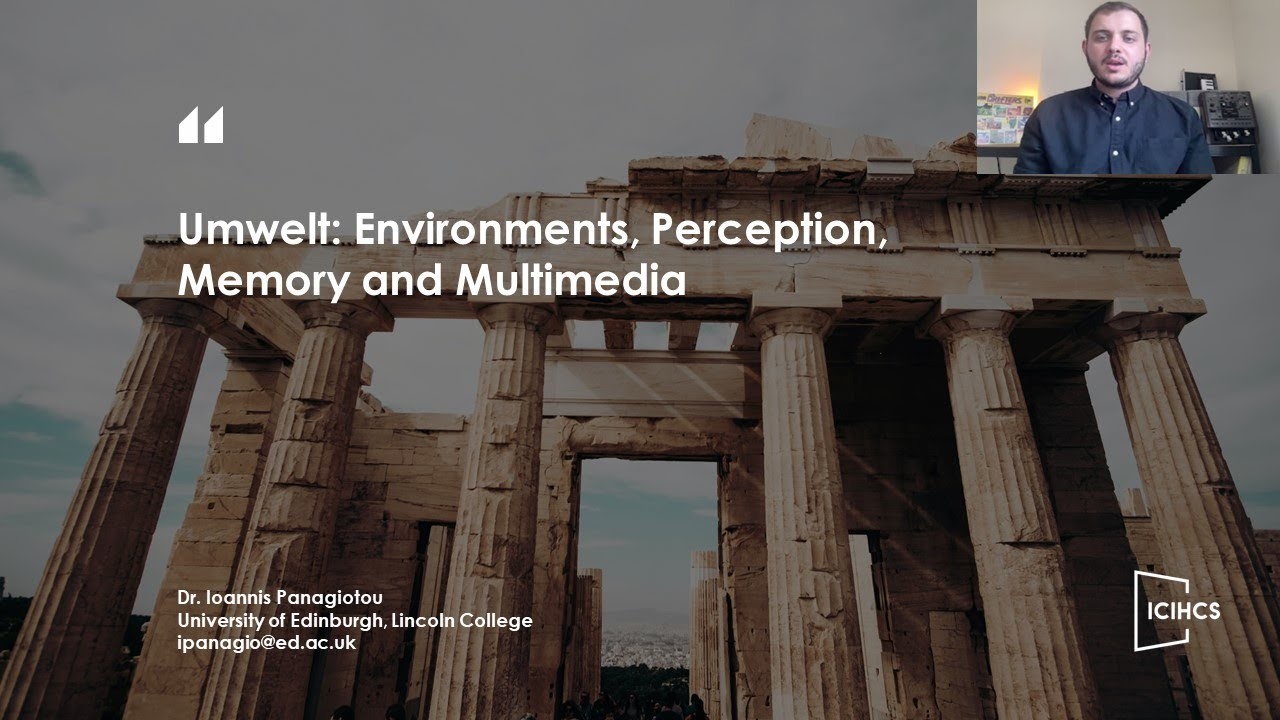
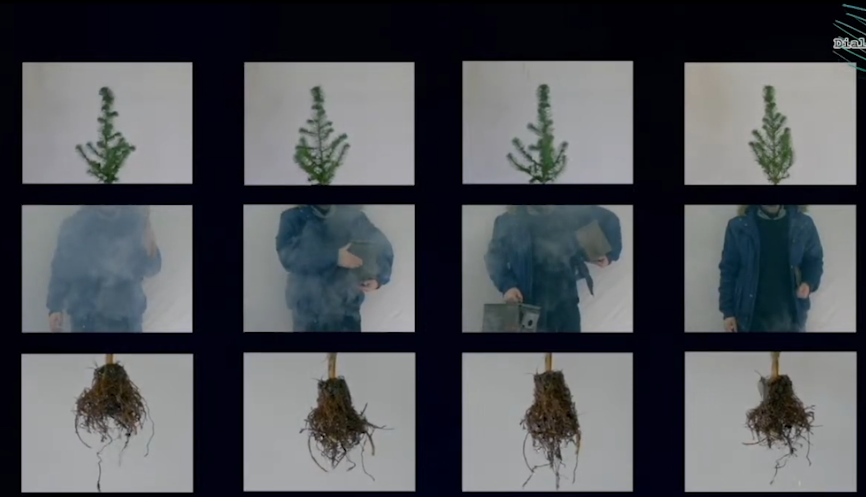
Title: Umwelt: Environments, Perception, Memory and Multimedia
Presented by: Ioannis Panagiotou, Ph.D. Lecturer in Performing Arts
Department, Lincoln College
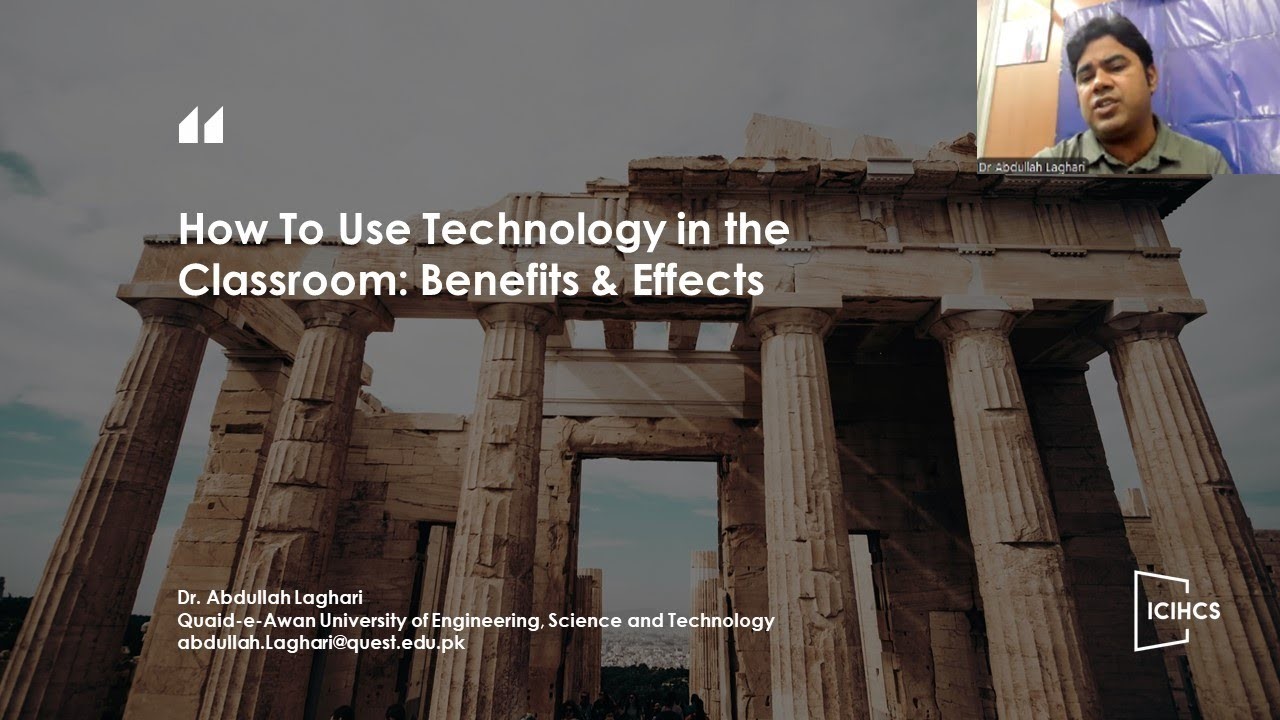
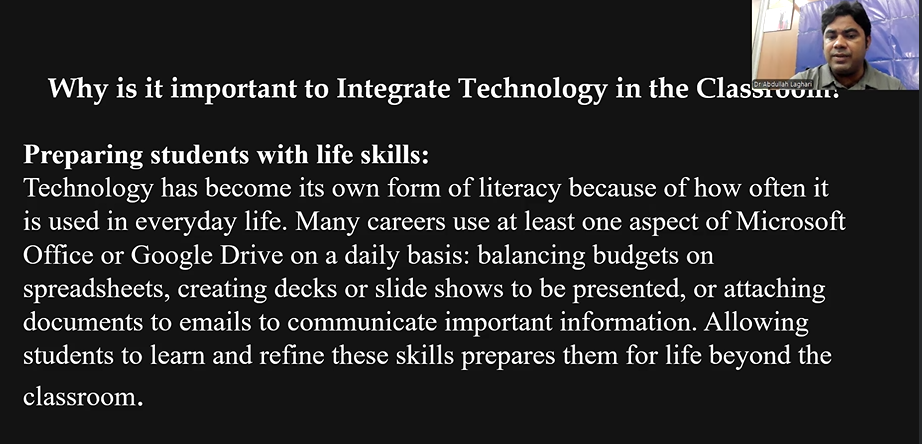
Title: How To Use Technology in the Classroom: Benefits & Effects
Presented by: Abdullah Laghari, Ph.D. Lecturer in Department of English,
Quaid-e-Awam University of Engineering, Science and Technology
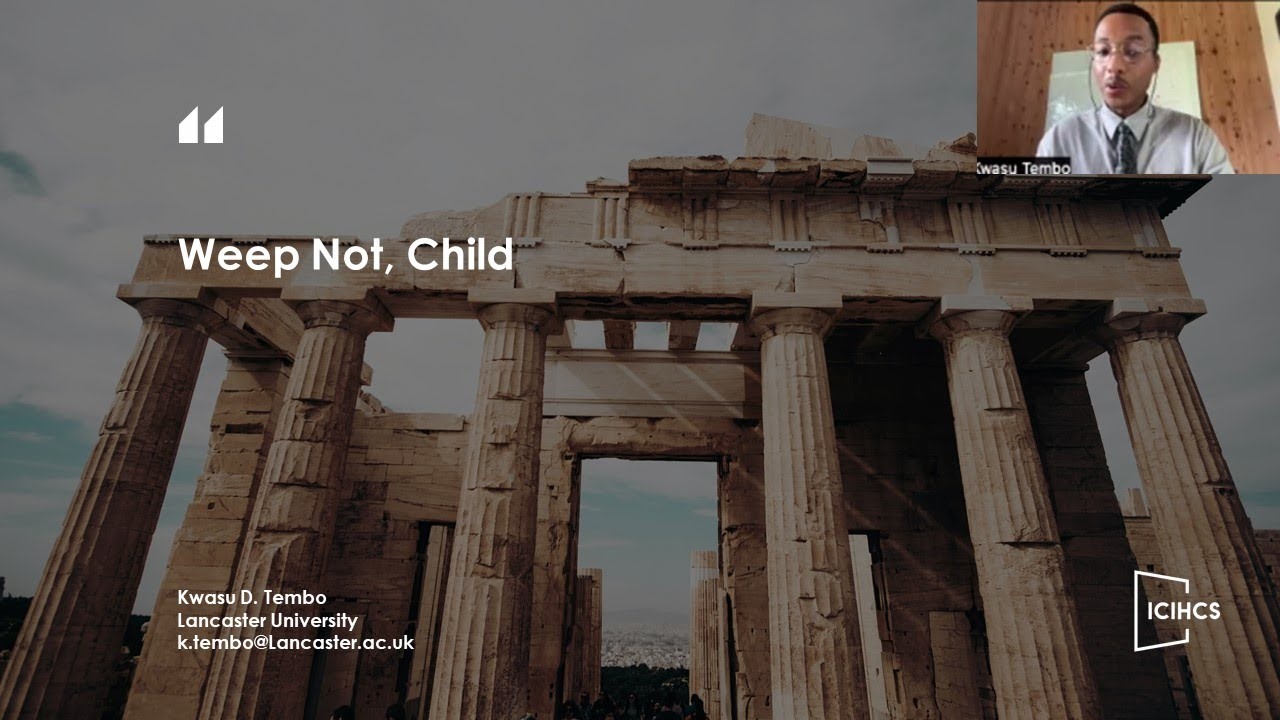
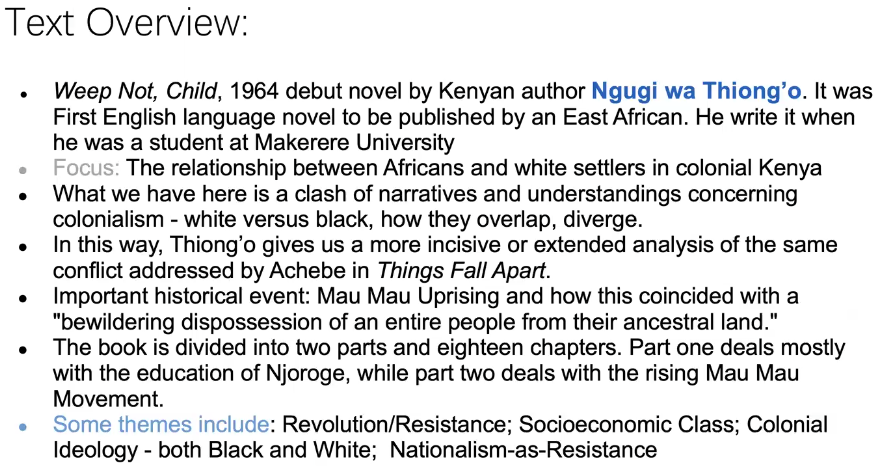
Title: Weep Not, Child
Presented by: Kwasu Tembo, Ph.D. Lecturer in Faculty of Arts and Social
Sciences, Lancaster University
Videos
You can find the Youtube Playlist of online session Here.Publication
Accepted papers of the symposium will be published in Communications in Humanities Research (Print ISSN 2753-7064), and will be submitted to Conference Proceedings Citation Index (CPCI), Crossref, CNKI, Portico, Google Scholar and other databases for indexing. The situation may be affected by factors among databases like processing time, workflow, policy, etc.
Proceeding Title: Communications in Humanities Research
Press: EWA Publishing, United Kingdom
ISSN: 2753-7064(print) / 2753-7072(electronic)


Sometimes it is the people who no one imagines anything of, that do the things that no one can imagine.